Agenda
Discovery 2026 will bring together leading voices from across the responsible gambling sector and beyond for three days of insights, dialogue, and critical conversations.
Below you will find full program details, along with breakout sessions, plenary sessions and speakers.









The same AI reshaping how platforms optimize engagement is now within reach of the people working to prevent harm. In this keynote, Ramy cuts through the noise to give leaders across research, regulation, operations, and treatment a clear-eyed view of where AI stands today, where it's headed, and what those in the gambling space needs to do now to get ahead of it. Audiences leave with a sharper understanding of AI's potential as a force multiplier for harm prevention, and a concrete sense of what leadership in this space looks like.
Key Themes
- AI as a force multiplier for harm prevention - From early risk signal detection and personalized intervention to AI-powered support tools, the technology currently used to optimize engagement can be redirected toward harm prevention.
- Strategic foresight in a shifting landscape - As digital platforms expand and at-risk populations face new forms of exposure; leaders need tools to anticipate harm before it scales rather than respond after it does.
- Cross-sector collaboration as the path forward - The organizations that lead in harm prevention will be the ones building shared frameworks, shared accountability, and the urgency to act.
Attendee Takeaways
- A practical framework for identifying where AI can drive the most impact on the harm prevention side of the ledger.
- A shift in mindset from reactive to proactive, so that responsible gambling leadership keeps pace with emerging risks.

This panel discussion will bring together mental health and treatment providers to share perspectives about the connection between trauma and gambling harms experienced by marginalized communities in Ontario. We will examine the difficulties faced when marginalized people seek resources, support and treatment and will offer practical strategies for improving service systems to better support clients. Panelists will share insights from their professional experience of moving towards solutions that foster more inclusive and effective care.
Moderator: Melissa Toney-Williams, Associate Director, Community Engagement and Partnerships, Responsible Gambling Council




This session looks at how organizations can make responsible gambling interactions timely, human centered, and enterprise wide—connecting key player journey touchpoints with AI enabled insights and clear protocols. We’ll explore ways to build staff confidence, translate digital signals into meaningful conversations, and embed role specific training to create a consistent culture of care.
Moderator: Sherene Fernando, Associate Director, Advisory Services, Responsible Gambling Council



Youth gambling is not a fringe issue—it’s a growing, under-recognized threat to a student’s well-being, academic performance, and mental health. While most high school students are underage, gambling is happening at rates that are of high concern: 8% have bet real money online in the past year, and nearly 1 in 4 reports gambling through video games. These aren’t just numbers—they’re warning signs of a hidden crisis.
Fueled by the rise of online gaming, loot boxes, skins betting, and significant exposure to traditional and digital gambling ads, adolescents are being drawn into risky behaviours that most adults don’t understand and don’t see coming. What looks like harmless fun can lead to financial harms, poor academic or athletic performance, and mental health issues.
Yet schools, parents, and coaches rarely talk about it. Why? Because gambling is seen as an issue that is of low concern, with most adults simply unaware of just how risky and accessible these newer forms of gambling are.
Moderator: Jennifer Reynolds, PhD, Associate Director, Research and Knowledge Mobilization, Responsible Gambling Council




Player protection strategies must adapt to the environments in which gambling takes place. This session explores how safer‑play approaches are applied across diverse settings—from charitable gaming halls and lottery retail to integrated resorts—highlighting how context‑specific strategies such as venue design, community dynamics, staff engagement, and player‑facing tools can strengthen safer play.
Moderator: Bob Michniak, Associate Director, Accreditation, Responsible Gambling Council


In this session, iGaming Ontario President and CEO Joseph Hillier will explore his vision for the agency in fostering a healthy, sustainable gaming market in Ontario. He will give an update on the upcoming centralized self-exclusion launch and share his thoughts on what the initiative means for Ontarians, now and in the future.
Canada’s sports betting ecosystem is evolving rapidly. This session will present new findings from our recent Canadian national study, offering fresh insights into player behavior and market trends. A panel discussion will examine implications for marketing practices, regulatory frameworks, and harm‑prevention strategies, with a spotlight to youth and young adults.
Moderator: Liz Lusk, Chief Strategy Officer, Greo Evidence Insights



UNLV’s AiR (Artificial Intelligence Research) Hub is building a global “living repository” to track and inform the responsible use of AI in gambling. This session presents early findings from the Hub’s State of AI research, offering a data driven snapshot of how AI is currently being adopted across the sector—from operations and compliance to player risk detection. The session connects these insights to the Hub’s longer term benchmarking work, underscoring why consistent measures of effectiveness will be essential as AI adoption accelerates.

Preventing gambling‑related harm requires more than regulatory compliance—it demands leadership, innovation, and a commitment to continuous improvement. As expectations for responsible play continue to rise, this session explores how organizations are moving beyond minimum standards to embed excellence in player protection. It examines the drivers of meaningful improvement and showcases practical strategies that deliver measurable harm‑reduction outcomes while strengthening transparency and accountability.
Moderator: Stacy Shaw, Vice President Product & Program Marketing, Oregon Lottery



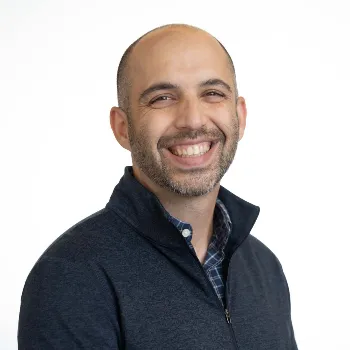
Presented in partnership with International Center for Responsible Gaming
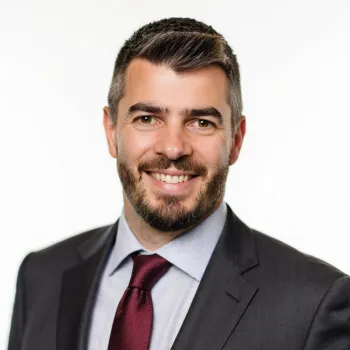
An inspiring collaboration at the intersection of gambling research, knowledge mobilization, marketing theory, and consumer behaviour, Marla Stafford and Travis Sztainert offer a practical and evidence-driven perspective on how players understand, and often misunderstand, safer gambling messages.
This session explores what research tells us about effective communication, particularly in the areas of player education and early risk awareness. The discussion examines how to design clearer, more meaningful messages that resonate with people, avoid common communication pitfalls, and better support informed decision-making.
Together, Marla and Travis highlight how evidence can be translated into simple, effective, and ethical approaches to safer gambling across real-world environments.
Young people spend more time online than any other age group, making digital environments a key setting for both well-being and risk. This session examines the growing intersection between youth mental health and gambling, with particular attention to how digital platforms, gameplay environments, and social media influence behaviour, can inform harm prevention. Drawing on the latest research—including insights from media data—we will share how online time shapes young peoples experiences and highlight ethnocultural considerations. Mental health experts will share priorities and considerations for this demographic around online time and digital well being. Participants will hear examples of evidence‑based strategies and practical messaging from youth‑centered digital work and initiatives that were informed by young people's online experiences.
Moderator: Lorelle Muller Lumsden, Vice President, PlaySmart Centre, RGC - PlaySmart Centre



Emerging gambling markets face the dual challenge of driving growth while safeguarding players. This session explores how emerging jurisdictions can embed responsible gambling principles from the outset, considering cultural factors, player behaviours, and societal attitudes. Attendees will gain practical strategies for building sustainable frameworks that uphold regulatory integrity and promote player well-being.
Moderator: Tracy Parker, Senior Vice President, Accreditation, Advisory & Insights, Responsible Gambling Council