Download NCSAB Conference Agenda
Registration and Gold Seal Exhibitors
- 9:00 am - CSAVR General Session #4
- 10:30 am - CSAVR General Session #5 with RSA
- 11:30 am - CSAVR Closing Session
For NCSAB Executive Committee and Guests Only
Join us for our opening welcome session, where we recognize new state directors and attnedees and get a conference overview.

Get updates from the Rehabilitation Services Administration staff and leadership
Use this opportunity to network with peers and visit exhibits highlighting tools, technology, and services.
Federal Policy Updates

Participants will learn how Texas worked with East Texas Lighthouse for the Blind to developed the Assistive Technology Instructor Program – Texas (ATIP-TX) to build a sustainable pipeline of qualified assistive technology instructors, expanded Assistive Technology evaluations through statewide Success with Assistive Technology (SWAT) events, implemented accessible online keyboarding instruction through Typio, and developed a structured Smart Glasses Readiness Assessment to prepare customers for AI-powered wearable technology.

Kick off your NCSAB conference experience with a welcome reception, where you'll catch up with industry colleagues, make new friends, and create connections. You'll also hear special presentations from our Gold Seal Exhibitors.
Get your questions answered at the registration table and visit industry experts in our customized exhibit hall.
The NCSAB Business Meeting provides members with the opportunity to conduct the organization's official business. During the meeting, attendees will receive organizational updates, review committee reports, discuss emerging issues affecting agencies serving individuals who are blind, have low vision, or are deafblind, and take action on matters that guide the organization's priorities and future direction.


The session will help participants understand what selected portions of the report can reveal, what questions leaders should ask, and how fiscal information can be communicated to staff in practical and understandable terms. Presenters will introduce the RSA-17 as a leadership and program management resource and provide foundational information about: The purpose of the RSA-17 and why the report is cumulative; The importance of connecting each report to the correct Federal award and period of performance; The relationships among the Federal award, cash receipts, cash disbursements, Federal expenditures, recipient share expenditures, unliquidated obligations, and unobligated balances.

Use this opportunity to network with peer and visit exhibits highlighting the tools, technogy, resources, and services for blind, low vision, and deafblind.
The session will help participants understand what selected portions of the report can reveal, what questions leaders should ask, and how fiscal information can be communicated to staff in practical and understandable terms. Presenters will introduce the RSA-17 as a leadership and program management resource and provide foundational information about: The purpose of the RSA-17 and why the report is cumulative; The importance of connecting each report to the correct Federal award and period of performance; The relationships among the Federal award, cash receipts, cash disbursements, Federal expenditures, recipient share expenditures, unliquidated obligations, and unobligated balances.
Use this opportunity to network with peer and visit exhibits highlighting the tools, technogy, resources, and services for blind, low vision, and deafblind.
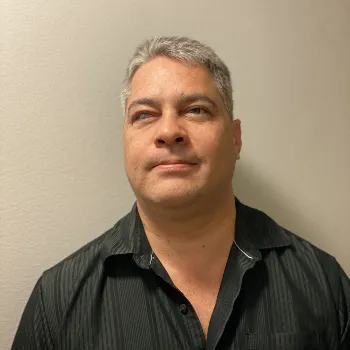
Attendees will learn how the Mississippi Office of Vocational Rehabilitation for the Blind transformed a vision into a reality by creating a state-of-the-art training center designed to improve consumer outcomes, expand professional development, and strengthen the future workforce of blindness rehabilitation professionals. This session will highlight lessons learned, innovative strategies, and partnership models that can be replicated by other agencies seeking to enhance service delivery. Participants will gain insight into how strong federal-state collaboration, technical assistance, and forward-thinking leadership can create sustainable programs that move the needle and blaze new trails in vocational rehabilitation services for individuals who are blind, have low vision, or are deaf-blind.

Use this opportunity to network with peer and visit exhibits highlighting the tools, technogy, resources, and services for blind, low vision, and deafblind.
Working Lunch Content To Be Announced
Use this opportunity to network with peer and visit exhibits highlighting the tools, technogy, resources, and services for blind, low vision, and deafblind.
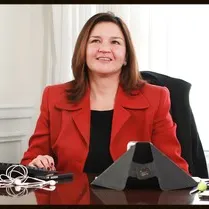
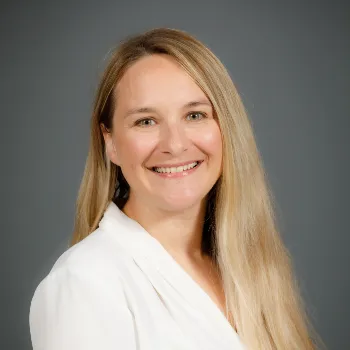
Drawing on their experiences as vocational rehabilitation consumers, disability advocates, and members of the Rehabilitation Council of Texas and the State Independent Living Council, Erica Kress and Melva Henderson will explore how effective partnerships between State VR agencies and disability organizations strengthen services, improve consumer outcomes, and support system-wide improvement. Participants will gain practical strategies for fostering meaningful consumer engagement, shared decision-making, and collaborative leadership.

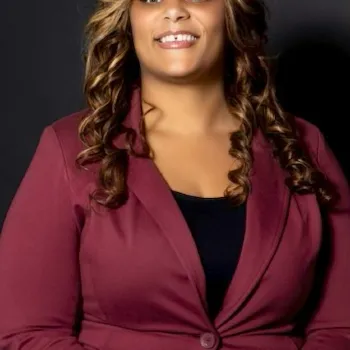
The Senior Keys to Independence Program (SKIP) was created by the OIB program in Texas in conjunction with two Lighthouse for the Blind locations. It provides essential training to eligible students 55 and older with vision loss including home management, cooking, household organization, orientation and mobility and assistive technology training. The program has seen exponential growth over the last 3 years with plans to expand even further, providing a lifeline of independent living skills training to Texans from all over the state who might not have access to training otherwise. This session will highlight the program’s creation, how the program provides transportation and accommodation during training, provide an overview of the training, and discuss the challenges faced and solutions created to ensure students receive the highest quality training in a safe and supportive environment.

Use this opportunity to network with peer and visit exhibits highlighting the tools, technogy, resources, and services for blind, low vision, and deafblind.
This session reframes staff development, paired with supervision, as a fiscal control and a compliance obligation rather than a discretionary expense. Grounded in the Uniform Guidance (2 CFR 200), the Comprehensive System of Personnel Development requirement (34 CFR 361.18), and W. Edwards Deming’s principle of building quality in rather than inspecting it at the end, participants will examine how training and supervision work together as a system-level control that protects data integrity and, as a supporting benefit, reduces the cost of staff turnover.
The OIB-TAC will reflect on current challenges and innovative solutions that are being used to address them. RSA, in partnership with OIB-TAC is working to identify states that fall below established targets and collaborate with programs to identify ways to address their challenges in data collection. In addition, the OIB-TAC is continuously developing example documents and providing technical assistance on topics like use of waiting lists, development of policies and procedures, and using limited funds efficiently.

Use this opportunity to network with peer and visit exhibits highlighting the tools, technogy, resources, and services for blind, low vision, and deafblind.
Participants will explore how strong internal and external collaboration enhances performance measurement, data-informed decision-making, and continuous quality improvement to align organizational practices with policy objectives. The session will highlight strategies for identifying operational barriers, developing meaningful internal control activities, and monitoring/evaluating effectiveness while maintaining a consumer-centered approach.
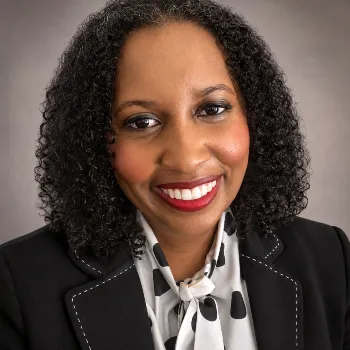
Agencies nationwide face challenges in preparing ELLs for daily independence and work-readiness. Minnesota State Services for the Blind (SSB) is addressing these needs by prioritizing English instruction for ELLs and integrating language learning into adjustment to blindness (ATB) and employment preparation. This session will highlight effective collaborative practices that strengthen outcomes for ELLs who are blind, low vision, and deafblind across Minnesota.

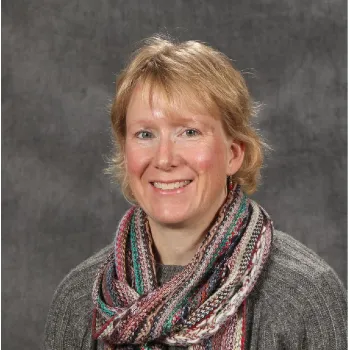

This session explores how Business Services can become the strategic connection between our programs, employers, workforce agencies, educational institutions, and community partners to improve employment outcomes. Participants will learn practical approaches for strengthening partnerships, improving communication between counselors and business-facing staff, organizing employer engagement, and supporting organizational change through collaboration rather than additional resources. I will share lessons learned from active listening, building statewide partnerships and developing coordinated workforce strategies that have responded to evolving employer needs and provided high quality and needed services to our job seekers. Attendees will leave with practical ideas they can adapt regardless of their agency's size or organizational structure.

Use this opportunity to network with peer and visit exhibits highlighting the tools, technogy, resources, and services for blind, low vision, and deafblind.
StaffUP ASAP! is a federally funded Disability Innovation Fund Grant project at the University of Wisconsin-Stout Polytechnic, Stout Vocational Rehabilitation Institute (SVRI). This innovative project seeks to create a new talent pipeline to specifically meet the staff recruitment, preparation, retention, and performance needs of the public vocational rehabilitation program.

Day 2 ends
Get your questions answered at the registration table and visit industry experts in our customized exhibit hall.
Texas Workforce Commission Vocational Rehabilitation Services (TWC-VRS) and the Texas School for the Blind and Visually Impaired (TSBVI) have built a robust partnership over the years that strives to move students with vision loss from classroom to employment. This session traces that collaboration across three touchpoints: SWEAT, WALIC, and the Post-Secondary Program, showing how paid work experience and workplace readiness instruction combine to produce employment-ready young adults.
Use this opportunity to network with peers and visit exhibits highlighting tools, technology, and services.
To truly move the needle on employment outcomes for individuals who are blind or visually impaired, Vocational Rehabilitation (VR) agencies cannot operate in a silo. Success requires a robust, interconnected network. In this session, we will unpack the critical role of a dedicated Business Relations team, demonstrating why active employer engagement is key to expanding opportunities. We will dive into the practical mechanics of how VR successfully partners to create a supportive pathway to employment. By breaking down operational barriers and pooling our resources, we can help our customers secure not just any job, but the right job.
Use this opportunity to network with peers and visit exhibits highlighting tools, technology, and services.
Join us for this final session to discuss takeaways from the Fall 2026 Conference, preview the upcoming Spring 2026 conference, and to find out how you can get more involved with NCSAB.