Location: Britannia Ballroom
Location: Britannia Ballroom
Location: Britannia Ballroom
Location: Britannia Ballroom
Location: Britannia Ballroom
Location: Brittania Ballroom
Each day in the classroom it is all about getting students from where they are to where they need to be. This challenge can be more than meets the eye because culturally diverse students walk into our classrooms at all different levels with many different life experiences. When it comes to teaching learners from diverse backgrounds, we understand there is a disconnect, but how do we solve this issue? Dr. Woodly offers strategies educators can put in place to transform music learning objectives that students perceive as mundane or boring, into genuinely interesting, engaging and authentic learning experiences.

Location: Richmond A&B
Come watch Dr Ihas’ rehearsal procedures as she works with students in the 2026 BCMEA Honour Strings ensemble. Students will have been rehearsing with Dr Ihas all week; this session will be one of their final rehearsals together before performing for the conference in the evening.
Location: Richmond C
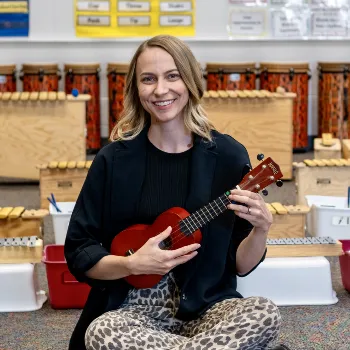
Take your music program to the next level with a practical, hands-on clinic built around a clear, sequential framework for implementing a thriving ukulele program — one that goes far beyond strumming chords.
What you'll explore:
- A sequential approach to reading chord diagrams
- Integrating music theory through the instrument — rhythm notation (whole, half, quarter, and eighth notes and rests), treble clef melody reading, and more
- Engaging, game-based learning strategies — because students learn best when they're having fun
- A variety of instructional formats: interactive media, student-led activities, collaborative group work, and games where students use their ukulele as a controller — what they play drives the action on screen
The best part? You'll experience all of it the way your students would — by doing it yourself.
Bring a Concert or Soprano ukulele if you have one. Loaners will be available. No prior ukulele experience required.
Location: Richmond D
Explore the music, movement, and customs of countries around the world. Join John Jacobson for a “feets-on” workshop that will teach you how to travel the world with your students without ever leaving the classroom. Come learn songs, games and dances from around the country and around the world. Folk dance, lines dances, classroom games and more. It is a musical world and the musical traditions of that world are a wonderful resource and outlet for any classroom and any age of student.

Location: Richmond F
Now in its third year, Ancestors Voices: Music and Learning for National Day for Truth and Reconciliation has engaged more than 150,000 students across Canada since its launch in September 2024. Join the Coalition for Music Education to discover how this free, music-based learning program can help bring Indigenous voices, music and stories into your classroom in meaningful and accessible ways.
Each year, Ancestors Voices features a new Canadian Indigenous artist with fresh classroom resources—while also building a growing library of past artists and materials that educators can continue to explore and use. We’ll introduce this year’s featured artist and resources, and highlight ways educators can draw on the growing collection throughout the school year.
The session will also feature a live performance and conversation with a local Indigenous musician, offering an opportunity to hear directly from an Indigenous artist about their music and creative practice.
Come discover a program that amplifies Indigenous voices through music, inspires meaningful classroom conversations, and helps educators turn learning into meaningful steps toward reconciliation.
Location: Richmond G
Music programs across BC are continuing to be threatened by budget shortfalls, systemic underfunding, and misconceptions about their value in schools. Janet Irvine and Cindy Romphf will lead attendees through proactive and reactive strategies for advocacy at both the local and provincial levels. Presenters will share tools to strengthen your district’s music specialist association, engage parents and community allies, and keep music visible in the public eye. Learn how the BCMEA and local unions can support teachers in resisting cuts, and how collective provincial action can amplify the message that music education matters. Join us for a collaborative session focused on empowerment, connection, and solidarity.


Location: Steveston A
Starting band classes at the beginning of the year may be daunting, and filled-with questions: How do I engage with the students meaningfully in the first class? Will the students have their instruments yet? What music-related activity can I do? What about classroom management? How can I quickly get a read on new students?
What if I told you there’s a simple, yet effective way to deal with all the above questions without needing a single word?
This clinic will focus on conduction exercises that will help your students focus on your cues, get used to your conducting style, practice attentiveness, be aware of and listen to each other, notice uniformity, develop camaraderie, and start taking leadership risks without pressure—silently. This clinic will also touch on how to foster connection with, deepen communication between, and challenge your new or returning music students, all the while starting intuitive and relevant conversations on musical topics.
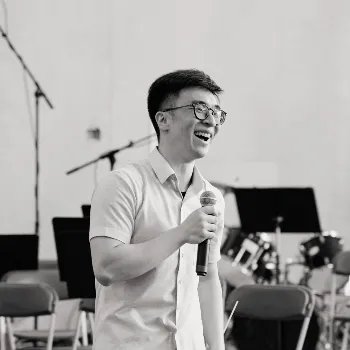
Location: Steveston B
In this workshop, we will discuss essential technical skills that modern jazz saxophonists use and provide skills to describe and develop these techniques with saxophonists at all levels.
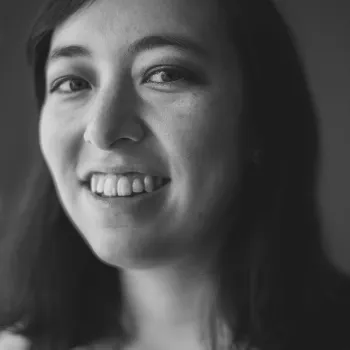
Location: Steveston C
This session provides practical strategies for managing a band instrument inventory, including simple digital cataloguing systems and effective storage solutions. Attendees will observe demonstrations of brass cleaning techniques and basic clarinet cork replacement, while exploring essential online resources for building a practical DIY repair kit. Designed for both new and experienced band teachers, this session is especially relevant for educators working in remote or underserved communities.
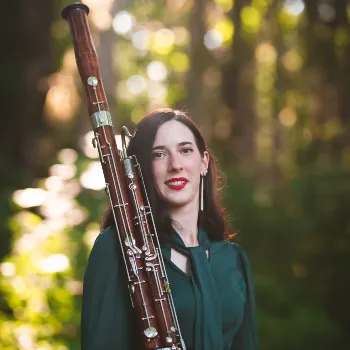
Location: Elmbridge
Come sing through a carefully chosen pack of new choral music, appropriate for high school choirs. Curated by the L&M team, you will be sure to find music to enhance your choral program throughout the year. A limited number of complimentary music packs will be available to attendees.
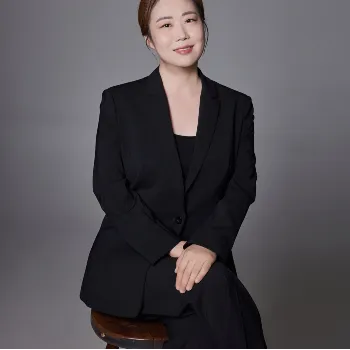
Location: Richmond A&B
Dalcroze Eurhythmics favours the development of capacities that are indispensable to all musicians. It enhances auditory perception, favours a better control of nervous sensitivity, develops musicality and sense of rhythm, and stimulates musical expression. In this workshop, the participants will experience music through exercises combining listening and body movement. The participants will explore how the Dalcroze approach stimulates, develops, and refines all the capacities we use when we engage in music. Pedagogical and philosophical aspects of the work will be discussed.
Location: Richmond C
Recorder has more to offer than most programs ever tap into. This clinic gives you the practical tools to unlock its full potential — and turn it into one of the most engaging and musical units in your year.
What you'll explore:
- Effective sequencing for introducing the first notes and building early success
- Teaching rhythm actively through games
- Getting students playing simple songs quickly so they feel accomplished from the beginning
- Scrolling sheet music and interactive game-based tools that keep students engaged
- Games where students use their recorder as a controller — what they play drives the action on screen
You'll leave the clinic with ideas you can bring straight back to your classroom
Location: Richmond D
Step into the spotlight and bring the magic of musical theatre to your classroom with this lively session led by John Jacobson. Discover engaging, student-friendly musicals and performance pieces designed to get every child excited to sing, act, and shine. Explore practical strategies for producing a show from start to finish, including teaching songs, staging scenes, and incorporating movement in developmentally appropriate ways. Learn how to work with accessible vocal lines, flexible casting, and memorable melodies to ensure every student has a meaningful role. You’ll also gain creative ideas for mini-shows and adaptable performances that fit any schedule or space. Whether you’re new to directing or refreshing your program, this session provides the tools and inspiration to create a successful, show-stopping experience.
Location: Richmond F
Are you a new teacher in the music classroom? Come and hear from some experienced teachers on tricks of the trade. From managing the class, instrument repair and check, choosing music, creating a healthy culture, what to do when the administration sends you curve balls, etc.
Various veteran teachers from K-12 will be present to answer your questions and bring some insight to you as new teachers on how to survive in a sustainable way. If you have questions before the clinic or after, please feel free to reach out to Kathy at musicprokf@outlook.com.
PowerPoint and/or handouts will be available post clinic.
Location: Richmond G
Music programs across BC are continuing to be threatened by budget shortfalls, systemic underfunding, and misconceptions about their value in schools. Janet Irvine and Cindy Romphf will lead attendees through proactive and reactive strategies for advocacy at both the local and provincial levels. Presenters will share tools to strengthen your district’s music specialist association, engage parents and community allies, and keep music visible in the public eye. Learn how the BCMEA and local unions can support teachers in resisting cuts, and how collective provincial action can amplify the message that music education matters. Join us for a collaborative session focused on empowerment, connection, and solidarity.
Location: Steveston A
Starting band classes at the beginning of the year may be daunting, and filled-with questions: How do I engage with the students meaningfully in the first class? Will the students have their instruments yet? What music-related activity can I do? What about classroom management? How can I quickly get a read on new students?
What if I told you there’s a simple, yet effective way to deal with all the above questions without needing a single word?
This clinic will focus on conduction exercises that will help your students focus on your cues, get used to your conducting style, practice attentiveness, be aware of and listen to each other, notice uniformity, develop camaraderie, and start taking leadership risks without pressure—silently. This clinic will also touch on how to foster connection with, deepen communication between, and challenge your new or returning music students, all the while starting intuitive and relevant conversations on musical topics.
Location: Elmbridge
Join your colleagues to read through new elementary choral music for the entire school year. Carefully curated by the L&M team, you will be sure to find music which will enhance your music program. A limited number of complimentary music packs will be available to attendees.kim
Location: Richmond A&B
Explore how to build a K–7 pathway for jazz education, from early musical exploration to developing young improvisors in beginning band programs. Through primary, intermediate, and band-focused sections, Janine will share practical strategies and lessons for introducing jazz concepts, improvisation and creativity at each stage of development. Participants will leave with adaptable ideas to bring jazz into their classrooms and create meaningful opportunities for students to discover their own musical voices.
Location: Richmond C
As an elementary music specialist, we’re often responsible for assessing the entire school—yes, the whole school! In this session, you’ll explore tried-and-true assessment tips and strategies that will make the process easier (and maybe even a little fun!) for both you and your students. You’ll learn how to assess key elements of music—such as beat/rhythm, melody, tempo, dynamics, form, and performance skills like singing and playing instruments—using a variety of methods, including games and collaborative group activities. You’ll also discover how to save time and complete your assessments more efficiently. Take the stress out of assessment this school year and walk away with practical tools you can use right away!
Location: Richmond F
Success in the music classroom requires routine and systems. Do you find yourself scrambling all the time and trying not to burn out? Are you lacking systems in your day to day running of your classroom/rehearsals? Come and check out these tried-and-true ways to stay organized, keep up with your marking, take attendance efficiently, keep track of music (organization), be on top of rehearsals and assignments, plus other surprises.
This clinic will help ensure that you will spend more time building a music teacher leader classroom (ala Tim Lautzenheiser) rather than just trying to survive. The busy music classroom can provide an opportunity to not just survive but to thrive and come out the other end with a smile on your face. If you have questions before the clinic or after, please feel free to reach out to Kathy at musicprokf@outlook.com
PowerPoint and/or handouts will be available post clinic
Location: Britannia Ballroom
During this session, we will be exploring the sound board in choral settings. We will look at what is important for vocal ensembles, learn some quick tricks to help you mix your choirs and explore some advanced concepts to help you perfect your choir’s sound reinforcement. We will be working with a digital sound board but exploring what concepts transfer to analog sound boards as well.
This session will be covering the basics of sound mixing and setup before diving into some advanced concepts.
Location: Steveston A
Leaving the comfort of your classroom with a music ensemble can be an incredibly rewarding extension of music education, offering students meaningful performance and cultural experiences however, preparing for performances beyond your own music room requires planning and preparation. Join this session to engage in topics all shaped by real-world experience. Learn about choosing repertoire, as well as suitable destination for your students, understanding how touring ensembles differ from regular-season groups and selecting festivals that align with ensemble goals and experience. We’ll also discuss instrumentation considerations, preparing and packing instruments for air or coach travel and of course the top destinations and venues worldwide that bring music alive for student groups. Led collaboratively with experienced music director and Musicologist, Elizabeth Forrest and travel professional, Marcie Ellison-Outerbridge this clinic invites educators to share ideas and practical approaches to ensemble travel.
Location: Steveston
This is an interactive session to discuss and learn about being neurodivergent as creatives. There will be a short educational section about neurodivergence followed by discussion topics around techniques for finding strengths in neurodiversity and how to transfer that in the classroom. All neurotypes are welcome to this session!

Location: Steveston C
It needs to work today: covering basic suggested tooling, and supplies. Triaging of instruments and trouble shooting. Practical approaches to know what you can do and what needs to be sent out the repair shop.zach
Location: Steveston D
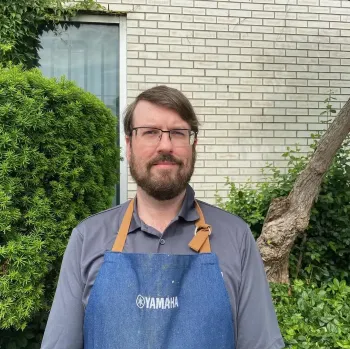
Writing music for children, whether arranging or composing, can be enormously rewarding for both teacher and pupil and should be encouraged where possible. However, there are many variable factors that need to be considered, from technical objectives and limitations, to characters that engages interest and motivate practice.
Whether preparing music for an individual or an ensemble, a carefully considered piece can have a seismic effect on the joy factor of a lesson and the progress achieved. In this workshop we will explore what makes for an effective piece for children. Common mistakes to avoid, and important inclusions to consider. We will discuss how best to present your music, and possible avenues to share your work with other teachers including publishing.
Key areas:
Creating parts that entertain: who has the tune?
The good and less-good ways to challenge your students
Clarity of presentation: Simple tricks to make music easier to read
Ideas for sharing your work
Delegates are encouraged to bring their instruments to this workshop.
Location: Elmbridge
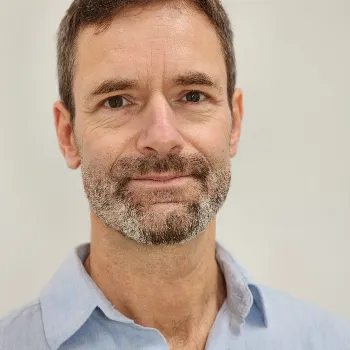
Learn how to maximize your brass section by focusing on quality of articulation and sound to unlock more finesse and power. Come play through classic big band brass solis and discuss how the acoustics of a big band impact the use of timbre and articulation in the brass section. Bring your horn! All big band instruments welcome -- rhythm section instruments will be provided.
Location: Westminster
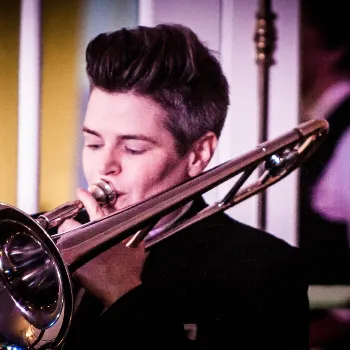
Come and listen to a variety of new and popular selections for concert band performed by the world-class Naden Band of the Royal Canadian Navy. A chance to interact with members of the Naden Band and ask questions about repertoire and more will follow in Session 5 with their Q+A Session.

Location: Richmond A&B
What happens when a favorite children’s book becomes the foundation for an Orff-based music lesson? In this interactive session, participants will experience a fully developed children’s literature lesson incorporating speech, movement, singing, body percussion, and classroom instruments. We will then examine how the lesson was built before participants apply the same process to create their own mini-arrangements inspired by children’s books. Participants will leave with a practical framework for turning literature into active, creative, and performance-ready musical experiences for the elementary classroom.
Location: Richmond C
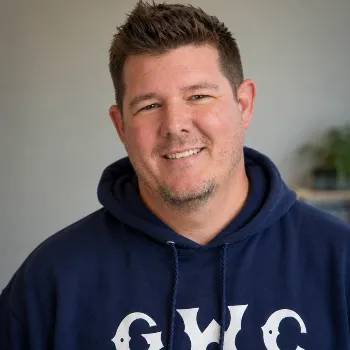
Discover the joy of percussion in the elementary music classroom in this hands-on session! Percussion instruments are powerful tools for creativity and musical exploration. From sound effects to composing percussion pieces, participants will discover ways to incorporate rhythm instruments into their lessons. With a mix of classical and contemporary music, as well as composition and improvisation activities, this session will inspire you to ignite a love for rhythm in your PreK to Grade 6 students
Location: Richmond F
Come explore how running a Music Council can support your program! We will dive into how to run an Executive Music Council (including the election process) and what student-lead Section Leadership infrastructure looks like. There will be opportunities to learn about what Elizabeth is doing at VanTech Secondary, and to discuss what is or is not going well at your own schools.

Location: Richmond G
This session will discuss clarifying and simplifying conducting gestures and how the basics open the door to artistry and precision. The objectives of this session are to understand how to demonstrate musical ideas clearly and efficiently through conducting gestures and recognize how to develop verbal and non-verbal communication in the choir rehearsal setting. At the end of this session, we will understand how closely the conducting gestures affect the choir sound. This session comprehensively explains the effective conducting gestures related to the sound of shape, texture, intensity, direction, and density with appropriate musical examples.
Location: Steveston A
Over the past several years, Chilliwack has intentionally cultivated a culture of collaboration among music educators across all levels of our school district. This shift has transformed our music programs, replacing decades of “district competition” with shared concerts, collaborative tours, mentorship, and a genuine commitment to collective success.
There is growing interest across the province—including within specialized music communities such as drumline—in understanding how and why this collaborative culture has taken root. This session will explore the practices, challenges, and mindset shifts that have helped make collaboration successful, while offering practical strategies for educators and districts interested in creating similar opportunities.
Rather than a traditional presentation, this session will be highly interactive and discussion-based, creating space for participants to share experiences, challenge assumptions, and explore what becomes possible when music programs stop competing with one another and start building something together. This clinic will involve several teachers from Chilliwack sharing their own personal experiences.
Location: Steveston B
Come with questions! Select members of the Naden Band will be available to share stories, perspective, and advice. They will provide information about the work they do, performing as part of an armed forces ensemble, instrument technique, and more.
Location: Steveston C
Focusing on brass repair and maintenance, we pick up were we left off at the end of the first session. From Trombone hand slides to valve issues. Once again, learning what you can do to get the instrument playing and knowing what needs to be sent to the repair shop.
Location: Steveston D
Improvisation can offer the opportunity for free expression; a chance for the inner musician to find a voice, unencumbered by technical demands. But equally, it can present a terrifying fear of the unknown. When 'classical musicians' spend so much of their professional life reading from a score, the prospect of improvising often feels alien, and so it is not uncommon to neglect this creative discipline in the teaching studio.
In this practical workshop we will explore simple ways to introduce improvisation into instrumental lessons from the very beginning, whether in a group or an individual setting. We will discover the advantages of incorporating improvisation into lesson plans and how these skills can impact students of all backgrounds, whether working in the classical tradition or not. We will examine the benefits to students who lack confidence in note-reading and uncover the role that improvisation plays in sight-reading, composition and theory.
We may even discover how to confront our own fears of improvising, and how exploring it further with our students can improve us as both teachers and musicians.
Activities will include:
A summary overview - What is improvisation? How is it a useful skill? Why is it often neglected?
Sample lesson exercises for the beginner
How to develop skills further to align with improved technical skill
Ideas on how to incorporate improvisation into an ensemble setting
Discussion/questions/feedback
Delegates are encouraged to bring their instruments for this practical workshop.thom
Location: Elmbridge
Jazz combo can be one of the most rewarding and memorable musical experiences for students. It’s also one of the easiest ways to cultivate listening, creativity, and collaboration. This session explores the essentials of building a successful school jazz combo, including choosing accessible repertoire, developing stylistic listening skills, introducing improvisation in an approachable way, and creating an engaging learning environment for beginning jazz musicians.

Location: Richmond A&B
The Dalcroze Method is a holistic approach to music education that invites students to understand music through bodily movement and self-discovery during engaging fun activities. Tailored primarily for elementary school teachers, this clinic offers practical strategies for integrating Dalcroze techniques into the general classroom. While traditional Dalcroze lessons require ample space for movement and a decent piano for the teachers to play during the lesson, its core principles remain highly adaptable. Therefore, in this session, useful ideas for successfully applying the Dalcroze method in a typical classroom environment will be discussed.
Location: Richmond C
What changes when students move from performing music to creating it? This session offers simple, practical, tech-free ways to bring songwriting and popular music into the upper-elementary and middle school classroom. We’ll explore accessible lyric structures, beat-building strategies, and creative frameworks that help students express identity, community, and personal voice. Participants will leave with ready-to-use templates, a 10-day mini-unit outline, and a clear, manageable assessment rubric.
Location: Richmond D
Why can’t they remember stuff from one rehearsal to the next? Maybe it is that we have assumed that the fact that the group sounds better, each individual understands the concept or skill being taught. We will explore teaching methods specifically designed to help students take skills or concepts from one moment in rehearsal and intentionally develop it in another. We will discuss warm-up or technique time, skill building like sight reading or count singing, and look at ways to apply those skills into your daily rehearsal schedule.
Location: Richmond F
Come explore how running a Music Council can support your program! We will dive into how to run an Executive Music Council (including the election process) and what student-lead Section Leadership infrastructure looks like. There will be opportunities to learn about what Elizabeth is doing at VanTech Secondary, and to discuss what is or is not going well at your own schools.
Location: Richmond G
Breath is the power source of the voice. When inhalation for singing is free and the process is clear in the chorister's mind, healthy sound production is the result. This session includes a comprehensive description of the respiration process involving 3D models and visuals. Methods to teach foundational principles of breathing movement, inspiration, and breath management for all ages will be presented. Ideas for effective conducting gesture will be explored and applied to repertoire.
Location: Steveston A
How do we grade something as complex and human as making music? In this practical, research-informed session, we’ll rethink assessment in the music room—moving beyond concert grades, participation marks, and numbers toward evidence of actual learning. Explore simple strategies for authentic performance assessment, formative feedback, proficiency scales, student reflection, and tracking individual growth within a busy ensemble setting. Leave with practical ideas you can use immediately—and a fresh perspective on what we should really be assessing: the musician, not just the mark.
Location: Steveston B
Learn tips and tricks to help your students succeed with the bass trombone.

Location: Steveston C
Ah, bassoon reeds. The bane of every bassoonists' existence, from beginner to pro. In this clinic, middle and high school educators will be provided with the tools and tricks that they need to make, buy, and modify bassoon reeds for a variety of playing levels. This clinic will be hands-on, with attendees getting a chance to work on bassoon reeds in small groups.
Attendees for this session will receive a reed-making manual made by me, intended to help beginner bassoonists start well on their reed-making journey. If you've ever wondered where reed cane comes from, how reeds are made (and made better), or why double reed players bemoan their reeds so much, this clinic is for you!

Repertoire selection, program building, and student retention are deeply interconnected. Choosing music that resonates with students is essential for developing and sustaining strong choral programs. When educators incorporate familiar songs from movies, television, animation, and radio, they tap into students’ existing musical connections—boosting enthusiasm and accelerating engagement. This familiarity not only supports learning across genres and musical skills but also fosters a deeper emotional connection to the music. When students enjoy and recognize what they’re singing, their participation increases, leading to long-term program growth.
In this session, we’ll explore fresh arrangements of well-known songs that demonstrate how thoughtful repertoire choices can energize your classroom and elevate student interest. Teachers will leave with practical, adaptable strategies for selecting music that connects quickly with singers, encourages musical development, and reinforces retention through meaningful and joyful experiences. Great music makes great memories—and that’s how great programs thrive.
Location: Elmbridge
Sister Jazz Orchestra, Canada’s first all-female professional jazz orchestra, has a mission to showcase, empower, and inspire the female jazz community while contributing to gender equity in the jazz genre. Their performances and community outreach activities aim to inspire young musicians and normalize women’s presence in jazz. For this clinic, SJO will perform a reading of curated jazz band repertoire composed by women that is suitable for middle and secondary school ensembles (easy to advanced). Enjoy this beautiful, fun and inspiring music that will add women’s artistic voices to your band library! Charts provided by Brava Jazz Publishing.