This session will provide a practical, plain-language overview of today’s biofuels landscape and its place within the broader clean energy transition. Attendees will learn the basics of how biogas and renewable natural gas are produced, how they are used, and the role they play in reducing emissions from waste, agriculture, and existing energy systems. The session will also touch on emerging applications such as sustainable aviation fuel and marine fuels, with a focus on real-world markets and policy drivers. Designed for both newcomers and experienced professionals looking for a refresher.

Evergreen Action will provide a timely overview of federal policy developments shaping the solar and clean energy landscape, with a focus on what recent funding, tax credit, and regulatory changes mean for project development and affordability in states like Wisconsin.

UW-Madison Professor Greg Nemet will discuss his book, How Solar Energy Became Cheap, and how his findings apply now that federal tax credits have sunset for rooftop solar.

Site readiness and compliance with the Federal Investment Tax Credit in 2026. This 101 session will go into detail about how to successfully fast-track your project and execute Safe Harbor by July 4, 2026.

As renewable energy development expands in Wisconsin, developers, solar installers, and homeowners are navigating an evolving landscape of zoning and land-use regulation. This panel will examine how county and municipal zoning ordinances affect the design standards and siting of solar, wind, and energy storage projects, and where legal boundaries on local authority are being tested. Panelists will explore the respective roles of developers, local zoning officials, and state regulators, including how the Wisconsin Public Service Commission interacts with local zoning ordinances. Through a legal lens and real-world examples, the discussion will highlight points of conflict and collaboration and clarify how Wisconsin law restricts local authority.




Federal incentives have accelerated renewable energy deployment in Wisconsin, but long-term growth will require broader and more durable financing strategies. This session examines investment tools and capital pathways that extend beyond federal programs, including institutional financing, municipal and cooperative models, tax-credit transfer markets, green bank mechanisms, and mission-aligned capital. Panelists will explore approaches that strengthen market resilience, expand access to capital for community and Tribal projects, and support equitable statewide economic development. Attendees will gain a clear understanding of emerging financial structures and practical frameworks designed to sustain Wisconsin’s clean-energy transition in the decades ahead.


Building public trust is a key part of renewable energy development. This panel will explore the ways in which organizations and communications professionals are finding success in developing acceptance of utility-scale projects by effectively communicating the benefits of joint development agreements, community benefit agreements, and utility aid payments. These efforts require a nuanced approach to build trust between developers, advocates, and the communities that host renewable energy projects.



This panel will discuss the role of nuclear energy in an increasingly renewable grid by exploring the ways nuclear and renewable development impact each other and how nuclear could enable greater carbon reduction while also enhancing grid stability and reliability cost-effectively.



Data center development is occurring rapidly throughout the nation and impacting grid planning, investments, and how we use energy. This plenary session will address impacts on renewable energy and concerns that come with rapid growth of new large energy users in Wisconsin. Attendees will hear from several perspectives and learn technical aspects associated with data center development.


Wisconsin’s clean energy workforce is growing, but the landscape is shifting beneath our feet. Policy changes, supply-chain pressures, financing headwinds, and rapid advances in distributed energy resources (DER) demand a workforce that can adapt, innovate, and endure. This session explores proven strategies for building and sustaining a resilient clean-energy labor pipeline across solar, storage, EV infrastructure, and building electrification. Speakers will highlight employer needs, emerging training pathways, apprenticeship models, and cross-sector collaboration that prepares Wisconsin workers for a dynamic future. Attendees will walk away with practical insights to strengthen recruitment, upskilling, and long-term workforce capacity — ensuring our state stays competitive and ready to deploy DER at scale in any market environment.

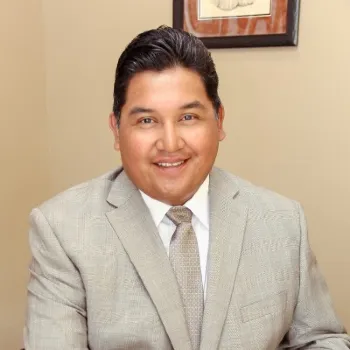

Each year provides new opportunities for regulatory and legislative efforts. This panel will discuss how Wisconsin's renewable energy landscape changed in 2025 along with what might be ahead. This session will include ample time for a Q&A session.
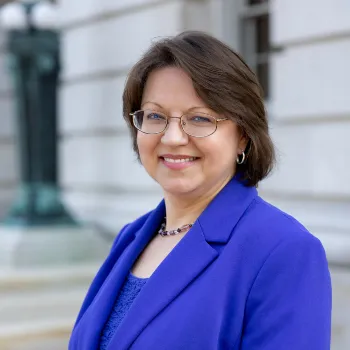

This panel will explore how Wisconsin can build clean energy resilience—an energy system that is both low-carbon and reliable in the face of increasing disruptions. As the state experiences more frequent extreme weather events and grid challenges, clean energy technologies like distributed solar, battery storage, microgrids, and electrification offer opportunities to strengthen local resilience while cutting emissions. Panelists will discuss how communities, utilities, and policymakers can work together to modernize the grid, improve building efficiency, and deploy resilient clean energy solutions that keep homes, businesses, and critical services powered during outages. The conversation will highlight emerging technologies, policy tools, and local success stories that illustrate what a resilient, clean energy future could look like for Wisconsin.
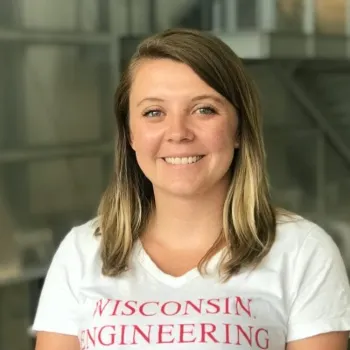
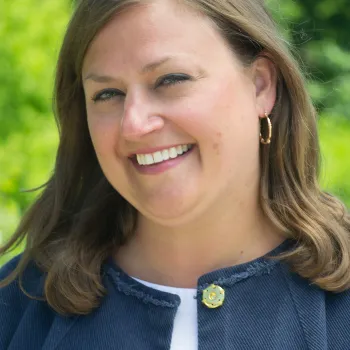

The solar market is changing, and installers are finding new ways to stay strong. This session will explore how solar companies can expand into complementary services such as heat pumps, home battery storage, EV charging, and general electrical work. Learn how diversification can help retain staff, sustain revenue, and keep your business resilient through shifting times.