Kick off AfterCare Education Day by connecting with fellow pediatric oncology aftercare professionals in a warm and welcoming setting. This special pre‑event dinner and discussion offers a valuable opportunity to unwind, share experiences, and build meaningful relationships before the formal program begins. Over a relaxed meal, participants will take part in thoughtful conversations that help shape future priorities for survivorship care across Ontario. Your insights and expertise are essential and these discussions create the ideal environment to exchange ideas, spark collaboration, and contribute to the future direction of survivorship care. Join us for an evening of great food, great company, and inspiring dialogue.
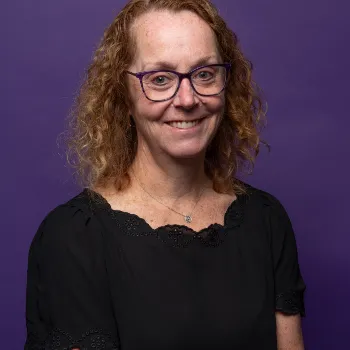
This session is a first person journey of survivorship, resilience, and the transformative role of compassionate care. Join Emily Burtwistle as she shares her lived experience, including the often unspoken mental health challenges that accompany diagnosis, treatment, and life beyond.
Through the reading of an original poem, attendees will gain an intimate window into the emotional reality of survivorship. The session will also explore reflections on today’s hospital environment, the profound impact that meaningful connections with healthcare professionals can have, and how strong supportive programming, or the absence of it, shapes a survivor’s long-term wellbeing.
Learning Objectives:
- Describe key aspects of the post‑treatment experience for childhood cancer survivors, including physical, emotional, and psychosocial challenges commonly encountered in survivorship.
- Identify barriers faced by survivors as they transition from active treatment to long-term follow-up care, with emphasis on mental health, navigation of the healthcare system, and unmet supportive care needs.
- Integrate principles of therapeutic communication and relationship building into follow up care to enhance trust, continuity, and survivor wellbeing.

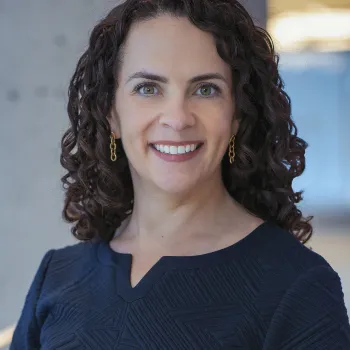
Join Dr. Guolla for an eye‑opening exploration of cardiovascular disease screening in the survivorship journey. This dynamic session will break down today’s leading best practices and the science behind them, while also unveiling emerging research that could transform how we detect, manage, and ultimately prevent long‑term cardiovascular complications in cancer survivors.
Whether you support patients clinically or programmatically, you’ll gain forward‑thinking insights to help shape healthier futures.
Learning Objectives:
- Recognize and review the impacts of treatment on the development of cardiotoxicity and cardiovascular disease in cancer survivors.
- Describe how to use and apply the current evidence and guidelines for cardiovascular disease surveillance during survivorship.
- Explore emerging data on individualized risk prediction, novel surveillance strategies, and thresholds for intervention.
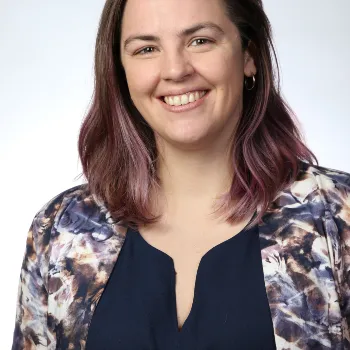
Reproductive health doesn’t end with fertility preservation, it's an essential part of long-term survivorship care. This interactive, case driven session invites attendees to take a deeper look at ovarian function in childhood and adolescent cancer survivors, exploring how risk stratification, surveillance, and clinical decision making evolves well beyond diagnosis.
Through rich clinical scenarios and practical discussion, participants will learn how to integrate proactive, patient centered reproductive care into everyday survivorship practice. From identifying at risk patients to navigating complex follow-up conversations, this session offers actionable insights that empower healthcare providers to support survivors with confidence, clarity, and compassion.
Learning Objectives:
- Stratify reproductive risk in childhood cancer survivors based on treatment exposures.
- Implement fertility surveillance and counseling within long-term follow-up care.
- Design strategies to integrate reproductive health into survivorship programs to improve equity and quality of life.

Trauma doesn’t end when treatment does and for many childhood cancer survivors, the echoes of medical trauma continue to shape how they engage with healthcare for years to come. This insightful session offers a powerful look at trauma informed care through the lens of survivorship, giving attendees a deeper understanding of how past cancer related experiences influence current distress, trust, and clinical interactions.
Using vivid clinical case examples, Dr. Russell will illuminate the ways in which medical procedures, hospitalization, and uncertainty can impact survivor well‑being long after treatment. Participants will leave with practical, actionable strategies to create clinical encounters that foster safety, empowerment, and meaningful connection, including how to deliver effective validation and support survivors with sensitivity and confidence.
Learning Objectives:
- Describe core principles of trauma-informed care and their relevance in aftercare for survivors of childhood cancer.
- Identify ways cancer-related medical experiences can influence survivors’ healthcare interactions, distress, and coping in survivorship.
- Apply practical strategies to promote safety, trust, and empowerment in clinical encounters.

Looking to expand your toolkit for survivor support? Don’t miss this fast paced and highly interactive session showcasing some of the most impactful AfterCare community organizations serving childhood cancer survivors and their families.
The session will kick things off with a series of engaging two minute spotlight presentations, where each group will introduce their mission, programs, and the unique ways they support survivors beyond treatment. Then, move into a 25 minute meet and greet, giving you the chance to connect directly with representatives, ask questions, and explore partnership opportunities that can enrich your clinical practice and survivor programming. An ideal opportunity to discover valuable community resources, strengthen referral pathways, and enhance the continuity of care for survivors and their families.
Learning Objectives:
- Identify opportunities to integrate community based programs into survivorship care pathways to enhance psychosocial, recreational, and long-term support for survivors.
- Evaluate how partnerships with AfterCare organizations can strengthen continuity of care, promote resilience, and address unmet needs in the post‑treatment population.
- Apply knowledge gained from direct engagement with resource groups to improve referral practices and expand supportive offerings within clinical survivorship programs.
Children undergoing cancer treatment often face unique and complex skin challenges, yet many oncology practitioners report feeling underequipped to address them confidently. This dynamic, case based session brings pediatric dermatologic oncology to life, offering practical, real world insights designed to elevate clinical care.
Join us to explore the full spectrum of skin concerns experienced by children with oncologic diagnoses, from surveillance strategies and therapy related reactions to long-term dermatologic considerations for survivors. Through engaging clinical scenarios and evidence informed guidance, participants will gain actionable tools they can apply immediately in practice.
Learning Objectives:
- Identify and manage toxicities to commonly used targeted therapies.
- Counsel families of cancer survivors effectively on mitigating risk of secondary cancers in the skin, including recommended skin care and surveillance.
- Implement an approach for prevention and management of cancer-related alopecia.

This dynamic panel brings together AfterCare experts to delve into what truly drives successful transitions and where critical gaps remain, as childhood cancer survivors move from pediatric to adult care.
Through real world insights and candid discussion, experts will highlight the successes that empower survivors to thrive, while shedding light on the system level challenges that can interrupt continuity of care. Attendees will gain a deeper understanding of how collaborative, survivor centered approaches to transition of care can strengthen long term outcomes and improve the healthcare journey for this unique population.
Learning Objectives:
- Explain the importance of intentional, developmentally appropriate transition preparation for childhood cancer survivors as they move from pediatric to adult healthcare systems.
- Identify evidence informed strategies that can strengthen and streamline the transition process for this patient population.
- Apply practical approaches to improve coordination, communication, and continuity of care during the transition period.
CAR‑T cell therapy has transformed outcomes for patients with leukemia, but long‑term survivorship brings unique clinical challenges. This session focuses on the recognition and management of late complications following CAR‑T cell therapy, with particular emphasis on immune dysfunction and long‑term monitoring.
Participants will review the indications for immunoglobulin replacement therapy in the setting of B‑cell aplasia and hypogammaglobulinemia, and explore evidence‑based strategies for ongoing surveillance after CAR‑T treatment. Through practical discussion, this session equips clinicians with the tools needed to optimize long‑term follow‑up and supportive care for leukemia patients treated with CAR‑T cells.
Learning Objectives:
- Describe and critically appraise the spectrum, pathophysiology, and clinical management of late toxicities associated with CAR‑T cell therapy in patients.
- Evaluate the indications, timing, and clinical evidence supporting immunoglobulin replacement therapy in patients following CAR‑T cell treatment.
- Apply evidence‑based monitoring strategies for long‑term follow‑up of patients treated with CAR‑T cells, including laboratory surveillance, infection risk assessment, and coordination of multidisciplinary care.

In this session explore, how Passport for Care is reshaping the future of survivorship care in Ontario. This forward thinking digital platform delivers secure, personalized survivorship care plans rooted in the latest COG guidelines, empowering clinicians and survivors with clear, accessible, evidence based follow-up recommendations.
Attendees will get an inside look at how ongoing efforts to integrate provincial cancer registry data will further streamline care planning, reduce administrative burden, and enhance continuity across the healthcare system. As a flagship initiative within POGO’s survivorship strategy, Passport for Care reflects a bold commitment to improving long-term outcomes for childhood cancer survivors and advancing toward seamless panCanadian scalability.
Learning Objectives:
- Describe the core functions and clinical value of the Passport for Care platform, including its role in generating secure, personalized survivorship care plans aligned with Children’s Oncology Group guidelines.
- Explain how integration of provincial cancer registry data can enhance care coordination, streamline follow‑up planning, and reduce administrative burden within survivorship programs.
- Assess the potential system level impact of digital survivorship tools on long-term outcomes for childhood cancer survivors in Ontario.