
Karen Adelman, PhD

Edward S. Harkness Professor of Biological Chemistry and Molecular Pharmacology
Harvard Medical School

  • adelman.hms.harvard.edu
  • Karen Adelman, PhD

    Dr. Karen Adelman is a distinguished researcher and scientific leader whose work centers on gene regulation and transcription, with a particular focus on understanding how cells control gene expression in both health and disease. Her pioneering research has significantly advanced our understanding of the molecular mechanisms that regulate RNA polymerase activity and genome function, providing important insights into the fundamental processes that govern cellular biology. In addition to her scientific contributions, Dr. Adelman is widely recognized for her dedication to mentoring the next generation of scientists and for fostering collaborative, interdisciplinary research that drives innovation and discovery.

    Read more

Karim-Jean Armache, PhD

Laura and Isaac Perlmutter Professor of Biochemistry
NYU Grossman School of Medicine
  • armachelab.med.nyu.edu
  • Karim-Jean Armache, PhD

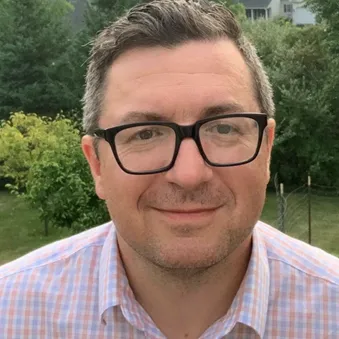
    Dr. Karim-Jean Armache is a Professor of Biochemistry and Molecular Pharmacology at NYU Grossman School of Medicine. His research focuses on elucidating the molecular mechanisms that govern chromatin biology, epigenetics, and transcription, integrating structural biology, biochemistry, and cell biology to understand how chromatin regulators orchestrate gene expression in both health and disease. Dr. Armache has made pioneering contributions to revealing the structures and molecular mechanisms of RNA polymerase II, chromatin-modifying complexes, and nucleosome-associated regulatory factors. His work has provided fundamental insights into the regulation of genome function and has significantly advanced our understanding of the molecular basis of gene expression and epigenetic control.

    Read more

Daphne Avgousti, PhD

Associate Professor and Principal Investigator
University of Miami Miller School of Medicine
  • avgoustilab.org
  • Daphne Avgousti, PhD

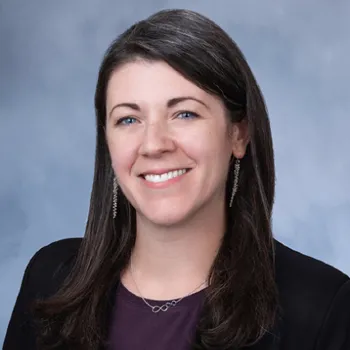
    Dr. Daphne Avgousti is an Associate Professor at the University of Miami Miller School of Medicine. Her research explores how DNA viruses manipulate chromatin and epigenetic pathways to establish infection, regulate viral and host gene expression, and evade immune defenses. By integrating molecular biology, virology, and chromatin biology, Dr. Avgousti's laboratory investigates the complex interactions between viruses and their host cells to uncover fundamental mechanisms of genome regulation. Her work provides critical insights into viral pathogenesis while identifying novel targets and therapeutic strategies for the development of next-generation antiviral treatments.

    Read more

Shelley Berger, PhD

Director, Epigenetics Institute
University of Pennsylvania School of Medicine
  • bergerlab.med.upenn.edu
  • Shelley Berger, PhD

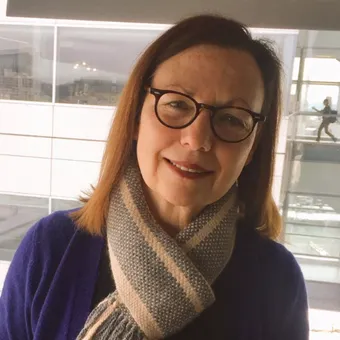
    Dr. Shelley L. Berger is the Daniel S. Och University Professor at the University of Pennsylvania and an internationally recognized leader in the fields of epigenetics and chromatin biology. Her research explores how chromatin modifications and epigenetic mechanisms regulate gene expression, aging, metabolism, and human disease. Dr. Berger has made pioneering contributions to defining the roles of histone modifications and epigenetic regulation in controlling genome function, providing fundamental insights into the molecular mechanisms that drive development, cancer, aging, and metabolic health. Her groundbreaking discoveries have significantly advanced our understanding of how the epigenome shapes cellular identity and influences disease processes.

    Read more

Navdeep S. Chandel, PhD

Professor of Medicine, Pulmonary Division
Northwestern University Feinberg School of Medicine
  • www.chandellab.com
  • Navdeep S. Chandel, PhD

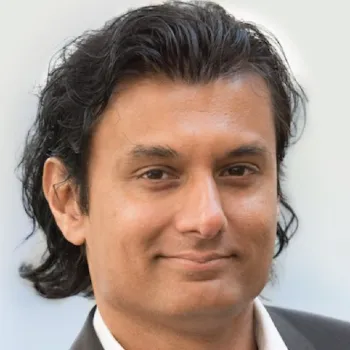
    Dr. Navdeep S. Chandel is a Professor of Medicine and Biochemistry & Molecular Genetics at Northwestern University Feinberg School of Medicine. His research focuses on the fundamental role of mitochondria in cellular signaling, metabolism, and physiology, with particular emphasis on how mitochondrial function influences cancer, immunity, stem cell biology, and other aspects of human health and disease. Dr. Chandel has made pioneering contributions to defining the mechanisms of mitochondrial signaling and reactive oxygen species (ROS)-mediated communication, transforming our understanding of how mitochondria regulate cellular function beyond energy production. His groundbreaking work has established new paradigms in metabolism and cell biology, with broad implications for the development of novel therapeutic strategies.

    Read more

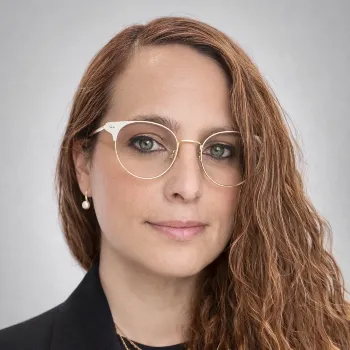
Yael David-Shternberg, PhD

Professor / Associate Member, Chemical Biology Program
Memorial Sloan Kettering Cancer Center
  • www.mskcc.org
  • Yael David-Shternberg, PhD

    Dr. Yael David-Shternberg is an Associate Professor at Memorial Sloan Kettering Cancer Center whose research focuses on understanding how post-translational modifications regulate chromatin function, gene expression, and genome stability. Her laboratory integrates innovative chemical biology, proteomics, and molecular biology approaches to uncover the mechanisms by which protein modifications control epigenetic regulation and influence cellular function in both health and disease. Dr. David-Shternberg's research has provided important insights into the dynamic regulation of chromatin and has advanced our understanding of how post-translational modifications contribute to cancer biology and other human diseases.

    Read more

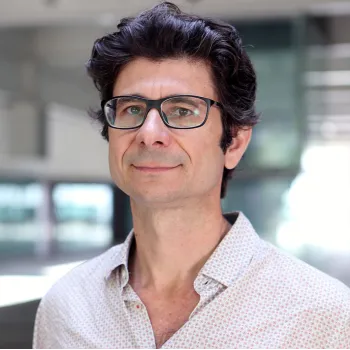
Luciano Di Croce, PhD

Coordinator of Genome Biology Program
Centre for Genomic Regulation (CRG)
  • www.crg.eu
  • Luciano Di Croce, PhD

    Dr. Luciano Di Croce is an ICREA Research Professor and Group Leader at the Centre for Genomic Regulation (CRG) in Barcelona. His research focuses on the epigenetic mechanisms that govern gene expression during development and disease, with particular emphasis on Polycomb group proteins, chromatin organization, and the regulation of cell fate. Dr. Di Croce has made pioneering contributions to elucidating how epigenetic regulators establish and maintain cellular identity, direct differentiation programs, and contribute to cancer development. His work has significantly advanced our understanding of chromatin-mediated gene regulation and the fundamental role of epigenetic mechanisms in development, regeneration, and human disease.

    Read more

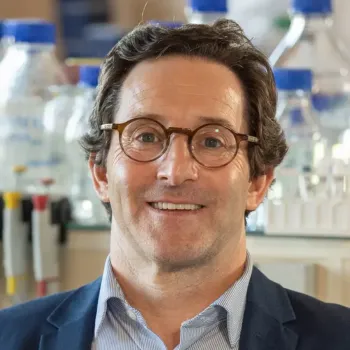
François Fuks, PhD

Professor of Medicine and Director of the Laboratory of Cancer Epigenetics
Université Libre de Bruxelles (ULB)
  • fukslab.ulb.be
  • François Fuks, PhD

    Dr. François Fuks is a Professor and Director of the Laboratory of Cancer Epigenetics at the Université libre de Bruxelles (ULB). His research investigates the epigenetic mechanisms that regulate gene expression in normal development and cancer, with a particular focus on DNA methylation, chromatin remodeling, and transcriptional regulation. Dr. Fuks has made pioneering contributions to elucidating how epigenetic alterations drive tumor initiation, progression, and therapeutic response. His groundbreaking work has significantly advanced our understanding of cancer epigenetics and has helped identify novel targets and strategies for the development of epigenetic therapies.

    Read more

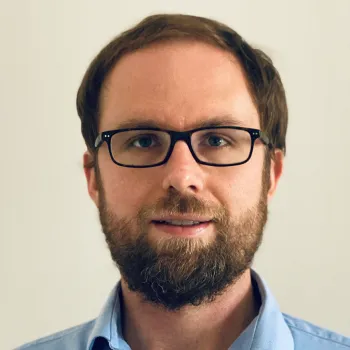
Wojciech Galej, PhD

Group Leader
European Molecular Biology Laboratory (EMBL)
  • www.embl.org
  • Wojciech Galej, PhD

    Dr. Wojciech Galej is a Group Leader at the European Molecular Biology Laboratory (EMBL) in Grenoble, France. His research focuses on the structural and molecular mechanisms of pre-mRNA splicing, using an integrated approach that combines cryo-electron microscopy, structural biology, biochemistry, and biophysics to investigate the architecture and function of the spliceosome and other RNA–protein complexes involved in gene expression. Dr. Galej has made pioneering contributions to elucidating the structural basis of spliceosome assembly and catalysis, providing fundamental insights into the molecular mechanisms of RNA splicing and advancing our understanding of RNA biology and gene regulation.

    Read more

Monika Gullerova, PhD

Professor of Molecular Biology
University of Oxford
  • gullerova.com
  • Monika Gullerova, PhD

    Dr. Monika Gullerova, is a Professor of Molecular Biology at the University of Oxford. Her research focuses on the molecular mechanisms that regulate RNA biology, genome stability, and gene expression, with particular emphasis on the roles of RNA in DNA damage responses, chromatin regulation, and cellular stress. By integrating molecular biology, biochemistry, and genomics, her laboratory investigates how RNA-mediated processes preserve genome integrity and influence cellular function. Dr. Gullerova has made significant contributions to advancing our understanding of RNA-directed mechanisms of genome maintenance and their roles in cancer and other human diseases.

    Read more

Cigall Kadoch, PhD

Professor of Pediatric Oncology
Dana-Farber Cancer - Institute Harvard Medical School
  • www.kadochlab.org
  • Cigall Kadoch, PhD

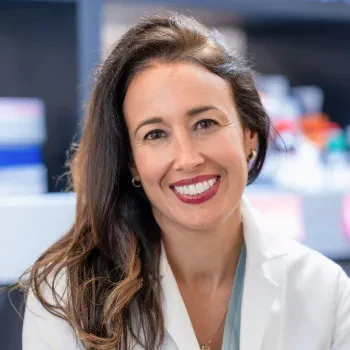
    Dr. Cigall Kadoch is an internationally recognized cancer biologist and Professor of Pediatric Oncology at Dana-Farber Cancer Institute and Harvard Medical School. She is also an Investigator at the Howard Hughes Medical Institute and Co-Director of the Epigenomics Program at the Broad Institute of MIT and Harvard. Her pioneering research focuses on chromatin remodeling complexes, particularly the mammalian SWI/SNF (BAF) family, and their roles in cancer development and gene regulation. Her discoveries have advanced the understanding of cancer biology and opened new avenues for targeted therapies. Her numerous honors include the prestigious 2024 Blavatnik National Award for Young Scientists.

    Read more

Michael Levine, PhD

Professor in Genomics and Molecular Biology
Princeton University - Lewis-Sigler Institute for Integrative Genomics

  • www.mikelevinelab.com
  • Michael Levine, PhD

    Dr. Michael Levine is a distinguished developmental biologist whose pioneering research has transformed our understanding of how genes are regulated during embryonic development. His work focuses on gene enhancers, transcriptional regulation, and the molecular mechanisms that govern the spatial and temporal control of gene expression. Dr. Levine has made landmark contributions to the field of developmental genomics through the discovery and characterization of key cis-regulatory elements that direct embryonic patterning, cell fate determination, and evolutionary diversification. His groundbreaking discoveries have fundamentally advanced our understanding of the genetic regulatory networks that shape animal development and evolution.

    Read more

Coleen T. Murphy, PhD

Professor of Molecular Biology & Director of the Lewis-Sigler Institute for Integrative Genomics
Princeton University
  • murphylab.princeton.edu
  • Coleen T. Murphy, PhD

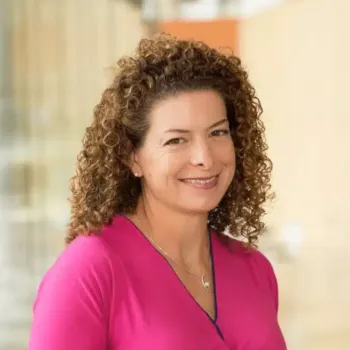
    Dr. Coleen T. Murphy is the Louis Fairchild ’24 Professor of Molecular Biology, Director of the Lewis-Sigler Institute for Integrative Genomics, and Director of the Paul F. Glenn Laboratories for Aging Research at Princeton University. She is a leading authority in the biology of aging and longevity. Her research focuses on the molecular mechanisms that regulate aging, healthspan, and cognitive function, using model organisms to investigate how genetic, metabolic, and epigenetic pathways influence lifespan, memory, and age-related decline. Dr. Murphy has made pioneering contributions to identifying conserved mechanisms that govern healthy aging, revealing how reproductive, metabolic, and neuronal signaling pathways shape longevity and resilience. Her work has advanced our understanding of the fundamental biology of aging and informed strategies to promote healthy aging and extend healthspan.

    Read more

Mrinal S. Patnaik, MBBS

Scientific Director of the Epigenetics Developmental Laboratory and the Epigenomics Program.
Mayo Clinic Comprehensive Cancer Center
  • www.mayo.edu
  • Mrinal S. Patnaik, MBBS

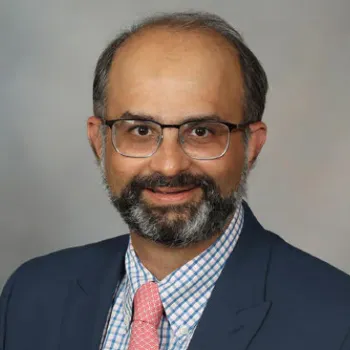
    Dr. Mrinal Patnaik is a physician-scientist in the Division of Hematology, Department of Internal Medicine at Mayo Clinic in Rochester, Minnesota. He chairs the Acute Leukemia and Myeloid Neoplasms Group and serves as Scientific Director of the Epigenetics Developmental Laboratory and Epigenomics Program. His clinical and research interests focus on precision genomics and epigenetics and their application to myeloid neoplasms and bone marrow failure syndromes. Dr. Patnaik directs Mayo Clinic’s Clonal Hematopoiesis, Bone Marrow Failure Syndrome, and Short Telomere clinics. His clinical expertise includes CMML, MDS, MPN, bone marrow failure, hereditary predisposition syndromes, and short telomere syndromes.

    Read more

Elizabeth A. Pollina, PhD

Assistant Professor of Developmental Biology
Washington University School of Medicine
  • pollinalab.com
  • Elizabeth A. Pollina, PhD

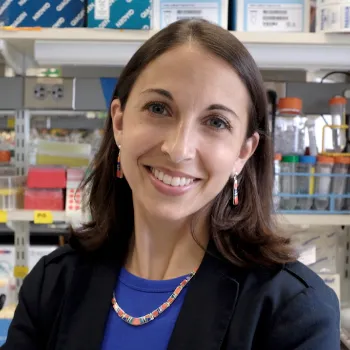
    Dr. Elizabeth A. Pollina is an Assistant Professor of Developmental Biology at Washington University School of Medicine in St. Louis. Her research focuses on the molecular mechanisms that preserve neuronal longevity and promote rejuvenation, with particular emphasis on how transcriptional regulation, chromatin dynamics, and DNA repair safeguard genome integrity in the nervous system. Using an interdisciplinary approach that integrates molecular biology, epigenetics, biochemistry, and single-cell genomics, Dr. Pollina investigates how neuronal activity influences genome stability during aging and how these protective mechanisms become disrupted in neurodegenerative disease. Her work has provided important insights into the interplay between gene regulation, genome maintenance, and healthy brain aging, advancing our understanding of the molecular basis of longevity and neurological disease.

    Read more

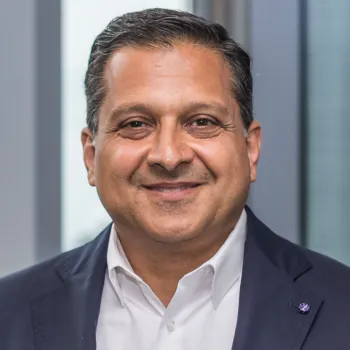
Ali Shilatifard, PhD

Professor of Pediatrics & Chairman, Department of Biochemistry and Molecular Genetics
Northwestern University Feinberg School of Medicine
  • labs.feinberg.northwestern.edu
  • Ali Shilatifard, PhD

    Dr. Ali Shilatifard is the Robert Francis Furchgott Professor and Chair of the Department of Biochemistry and Molecular Genetics, Director of the Simpson Querrey Institute for Epigenetics, and Professor of Pediatrics at Northwestern University Feinberg School of Medicine. His research focuses on the molecular mechanisms that regulate gene expression, chromatin biology, and transcriptional elongation, with particular emphasis on the epigenetic pathways that drive leukemia and other cancers. Dr. Shilatifard has made pioneering contributions to elucidating the role of transcription-associated chromosomal translocations and chromatin-modifying COMPASS complexes in development and malignancy. His groundbreaking discoveries have transformed our understanding of epigenetic regulation in cancer and have helped lay the foundation for the development of targeted epigenetic therapies currently being evaluated for leukemia, brain tumors, and other cancers. His contributions to biomedical research have been recognized with election to the National Academy of Sciences and the American Academy of Arts and Sciences.

    Read more

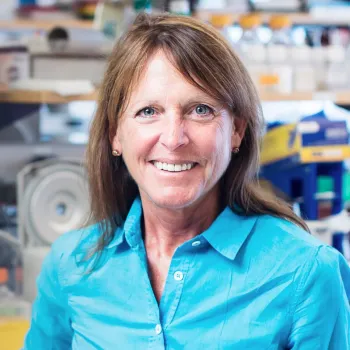
Jane Skok, PhD

Sandra and Edward H. Meyer Professor of Radiation Oncology
NYU Grossman School of Medicine
  • zapphosting.com
  • Jane Skok, PhD

    Dr. Jane Skok is the Sandra and Edward H. Meyer Professor of Radiation Oncology in the Department of Pathology at NYU Grossman School of Medicine. Her research focuses on the molecular mechanisms that govern three-dimensional genome organization, chromatin architecture, and gene regulation, with particular emphasis on how nuclear organization influences immune cell development, genome integrity, and cancer. Dr. Skok has made pioneering contributions to elucidating how higher-order chromatin interactions, CTCF-mediated genome organization, and long-range regulatory elements coordinate gene expression programs during cellular differentiation and disease. Her work has fundamentally advanced our understanding of the interplay between genome architecture and transcriptional regulation in both normal physiology and malignancy.

    Read more

Dylan J. Taatjes, PhD

Professor and Associate Chair for Graduate Affairs in the Department of Biochemistry
University of Colorado Boulder

  • www.colorado.edu
  • Dylan J. Taatjes, PhD

    Dr. Dylan J. Taatjes is a Professor and Associate Chair for Graduate Affairs in the Department of Biochemistry at the University of Colorado Boulder. His research focuses on the molecular mechanisms that regulate RNA polymerase II transcription, with particular emphasis on the Mediator complex, the pre-initiation complex, and transcription-associated kinases that coordinate gene expression in development and disease. Using an interdisciplinary approach that integrates biochemistry, structural biology, biophysics, molecular biology, and multi-omics, Dr. Taatjes has made pioneering contributions to elucidating how transcriptional machinery converts regulatory signals into precise gene expression programs. His work has fundamentally advanced our understanding of transcriptional regulation and its roles in human development, cancer, inflammation, and other diseases.

    Read more

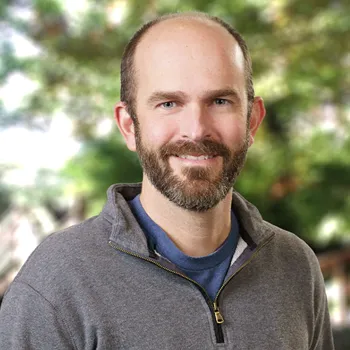
Christopher R. Vakoc, MD, PhD

Alan and Edith Seligson Professor of Cancer Research
Cold Spring Harbor Laboratory
  • vakoclab.cshl.edu
  • Christopher R. Vakoc, MD, PhD

    Dr. Christopher R. Vakoc is the Alan and Edith Seligson Professor of Cancer Research at Cold Spring Harbor Laboratory and Deputy Director of Research for the CSHL Cancer Center. His research focuses on the gene regulatory mechanisms that sustain cancer, with particular emphasis on how transcription factors, chromatin regulators, and enhancer-dependent transcriptional programs drive leukemia, sarcoma, pancreatic cancer, lung cancer, and other malignancies. By integrating functional genomics, CRISPR-based genetic screening, and molecular biology, Dr. Vakoc has made pioneering contributions to identifying cancer-specific genetic dependencies and therapeutic vulnerabilities. His groundbreaking discoveries—including the identification of BRD4 as a key therapeutic target in leukemia—have transformed our understanding of transcriptional regulation in cancer and helped lay the foundation for the development of targeted epigenetic therapies currently in clinical evaluation.

    Read more

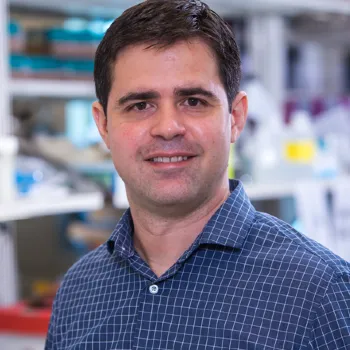
Ramiro E. Verdun, PhD

Professor of Medicine in the Division of Hematology
Sylvester Comprehensive Cancer Center University of Miami Miller School of Medicine
  • umiamihealth.org
  • Ramiro E. Verdun, PhD

    Dr. Ramiro E. Verdun is a Professor of Medicine in the Division of Hematology at the University of Miami Miller School of Medicine and a member of the Sylvester Comprehensive Cancer Center. His research focuses on the molecular mechanisms that preserve genome stability, with particular emphasis on DNA damage responses, chromatin biology, transcription-coupled DNA repair, and epigenetic regulation in aging and cancer. Dr. Verdun has made pioneering contributions to understanding telomere biology, DNA repair pathways, and the role of chromatin regulators in maintaining genome integrity. His laboratory integrates molecular biology, genomics, and functional genetic approaches to investigate how defects in genome maintenance contribute to cancer development, aging, and therapeutic responses, with the goal of identifying new strategies for precision cancer therapy.

    Read more

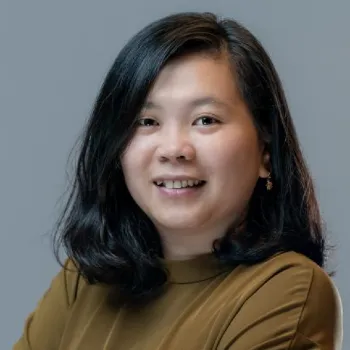
Ly P. Vu, PhD

Assistant Professor in the Faculty of Pharmaceutical Sciences
University of British Columbia
  • www.bccrc.ca
  • Ly P. Vu, PhD

    Dr. Ly P. Vu is an Assistant Professor in the Faculty of Pharmaceutical Sciences at the University of British Columbia, a Scientist at the Terry Fox Laboratory, BC Cancer, and a Tier 2 Canada Research Chair in RNA Biology in Hematological Malignancies. Her research focuses on the molecular mechanisms that regulate stem cell function and malignant transformation, with particular emphasis on post-transcriptional and translational control of gene expression in normal and malignant hematopoiesis. By integrating molecular biology, genomics, and functional studies in human and mouse models, Dr. Vu's laboratory investigates how RNA metabolism—including RNA modifications, mRNA decay, poly(A) tail regulation, and translational control—governs hematopoietic stem cell biology and leukemia development. Her work has provided important insights into RNA-centered mechanisms of blood cancer and is advancing the development of innovative therapeutic strategies for leukemia and other hematologic malignancies.

    Read more

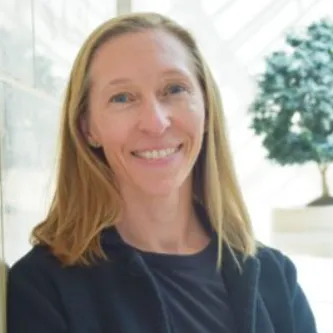
Ashley E. Webb, PhD

Associate Professor of Molecular Biology, Cell Biology, and Biochemistry
Buck Institute
  • www.buckinstitute.org
  • Ashley E. Webb, PhD

    Dr. Ashley E. Webb is an Associate Professor at the Buck Institute for Research on Aging, where she investigates the molecular mechanisms that regulate aging and longevity. She earned her PhD from the University of Washington and completed her postdoctoral training with Dr. Anne Brunet at Stanford University. Prior to joining the Buck Institute in 2023, Dr. Webb established her laboratory at Brown University, where she was promoted to Associate Professor with tenure and served as Associate Director of the Center on the Biology of Aging. Her research explores how post-transcriptional gene regulation, RNA biology, and epigenetic mechanisms influence aging and age-related diseases. Dr. Webb has received numerous honors for her contributions to aging research, including a Glenn Foundation Award for Research in Biological Mechanisms of Aging and the American Federation for Aging Research Junior Faculty Award.

    Read more

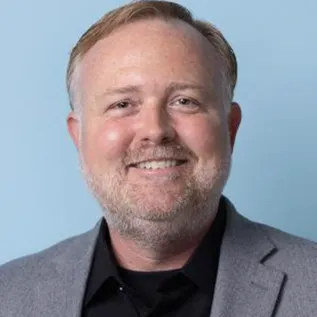
Johnathan R. Whetstine, PhD

Director of the Cancer Epigenetics Institute
Fox Chase Cancer Center
  • www.whetstinelab.com
  • Johnathan R. Whetstine, PhD

    Dr. Johnathan R. Whetstine is the Jack Schultz Chair in Basic Science, Professor, Director of the Cancer Epigenetics Institute, and Program Leader of the Nuclear Dynamics and Cancer Program at Fox Chase Cancer Center. His research focuses on the molecular mechanisms by which chromatin regulators govern gene expression, DNA replication, genome stability, and epigenetic regulation in cancer. Dr. Whetstine has made pioneering contributions to the discovery and characterization of JmjC-containing histone demethylases and has uncovered fundamental mechanisms linking chromatin regulation to DNA replication timing, extrachromosomal DNA amplification, tumor heterogeneity, and therapeutic resistance. By integrating molecular biology, genomics, epigenomics, and functional genetic approaches, his laboratory seeks to identify biomarkers and therapeutic targets that improve precision cancer treatment.

    Read more

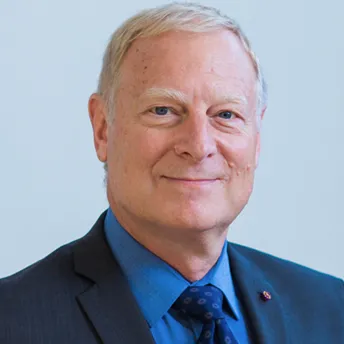
Richard A. Young, PhD

Professor of Biology
Massachusetts Institute of Technology
  • younglab.org
  • Richard A. Young, PhD

    Dr. Richard A. Young is a Professor of Biology at the Massachusetts Institute of Technology and a Core Member of the Whitehead Institute for Biomedical Research. His research focuses on the molecular mechanisms that regulate gene expression in health and disease, with particular emphasis on transcriptional regulatory circuitry, chromatin regulation, genome organization, and biomolecular condensates. Dr. Young has made pioneering contributions to defining the regulatory networks that establish cellular identity, including the discovery of super-enhancers and the role of transcriptional condensates in controlling gene expression. By integrating genomics, molecular biology, and computational approaches, his laboratory has transformed our understanding of gene regulation in development and cancer, providing new insights into the molecular basis of disease and opportunities for therapeutic intervention.

    Read more

Kenneth S. Zaret, PhD

Director, Institute for Regenerative Medicine
University of Pennsylvania Perelman School of Medicine
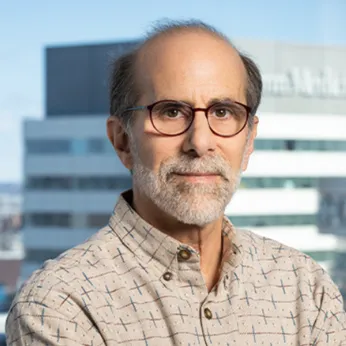
  • zaretlab.med.upenn.edu
  • Kenneth S. Zaret, PhD

    Dr. Kenneth S. Zaret is the Joseph Leidy Professor in the Department of Cell and Developmental Biology at the Perelman School of Medicine, University of Pennsylvania, and Director of the Penn Institute for Regenerative Medicine. His research focuses on the molecular mechanisms that regulate gene expression, chromatin accessibility, and cell fate determination during embryonic development, tissue regeneration, and disease. Dr. Zaret has made pioneering contributions to the discovery and characterization of pioneer transcription factors, revealing how they engage compacted chromatin to establish developmental competence and direct lineage specification. By integrating molecular biology, genomics, and developmental biology, his laboratory has transformed our understanding of chromatin dynamics, cellular reprogramming, and regenerative medicine, providing fundamental insights into development, tissue repair, and cancer.

    Read more